
If you're looking for automotive tinting in Greensboro, North Carolina, you've got solid options right in your backyard. Window tinting isn't just about making your car look sleek (though it does). It's about protecting your vehicle, your skin, and your privacy while you drive.
Here's what you need to know before you book an appointment.
What Automotive Tinting Actually Does for Your Car
Window tinting blocks heat and UV rays from entering your vehicle. On a hot Greensboro summer day, that's a game-changer. Your car stays cooler, which means your air conditioning doesn't have to work as hard, and you use less fuel.
Related: Mobile Window Tinting Greensboro NC: Your Complete Guide
Related: Home Window Tinting in Greensboro NC: A Complete Guide
Related: Window Tint Installation Greensboro NC: A Complete Guide
Related: Car Window Tinting Greensboro NC: Local Expert Guide
Beyond climate control, tinting protects your interior from fading. Leather seats, dashboard plastic, and upholstery all break down faster when exposed to direct sunlight. Tinting slows that damage significantly.
There's also the privacy and security angle. Darker windows make it harder for someone to see what's inside your vehicle. That's valuable whether you're parked overnight or sitting in traffic.
Professional automotive tinting in Greensboro gives you all these benefits done right the first time, with no bubbles or peeling.
Understanding North Carolina Window Tint Laws
Before you get your windows tinted, you need to know what's legal in North Carolina. The state has specific rules about how dark your tint can be, and they vary depending on your vehicle type.
Legal limits are different for passenger cars versus SUVs, vans, and trucks. The rules also specify which windows can be tinted and how much light must pass through. Since regulations can change and depend on your specific vehicle, it's critical to work with a shop that knows current North Carolina law inside and out.
When you call Tint We Got It, the team makes sure every installation is street-legal for your exact vehicle. You won't get pulled over or have to remove your tint because it doesn't meet code. That peace of mind is worth the phone call.
The Types of Tinting Film Available
Not all window tint is the same. The film you choose affects durability, appearance, and performance.
Dyed tint is an older technology where a dye layer sits between the film and adhesive. It's affordable but fades over time and doesn't block heat as effectively as newer options. It's still used, but it's not the best choice if you want long-term results.
Metallized tint uses tiny metal particles to reflect heat and light. It's more effective than dyed film, but some people notice it can interfere with phone signals or GPS if applied to the windshield. It also has a reflective look some drivers don't love.
Ceramic tint is the premium option. It blocks heat and UV without metal particles, so it doesn't interfere with electronics. It looks cleaner and lasts longer than dyed or metallized film. It's more expensive, but the durability pays off over years of ownership.
Your choice depends on your budget, how long you plan to keep the car, and what matters most to you (heat rejection, privacy, aesthetics, or a combination).
What to Expect During the Tinting Process
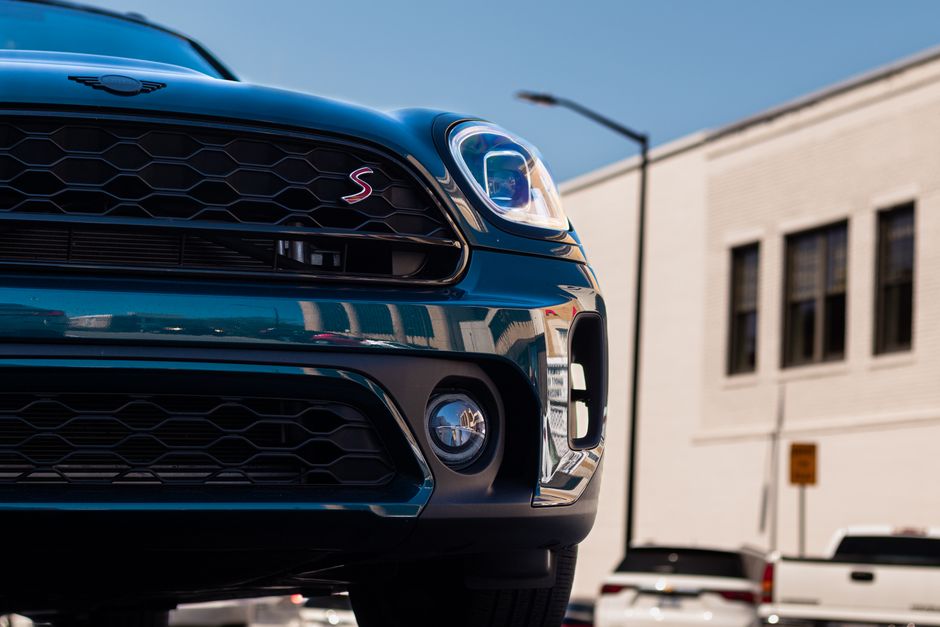
Professional tinting takes time. Don't expect to drop your car off and pick it up in an hour.
The process starts with cleaning the windows thoroughly. Any dust or debris trapped under the film will create bubbles or imperfections, so this step is critical. A quality shop spends real time here.
Next, the technician measures and cuts the film to fit each window precisely. Custom cutting ensures edges align perfectly and the tint looks seamless.
Then comes application. The film is carefully positioned, smoothed out, and pressed to remove air bubbles. This requires skill and patience. Rushed work shows immediately.
Finally, there's a curing period. You're typically asked not to roll the windows down or wash the car for a few days while the adhesive fully sets. Patience here prevents peeling later.
From start to finish, expect 2-4 hours depending on how many windows you're tinting and the complexity of your vehicle's glass. When you book with a professional shop like Tint We Got It, you're paying for experience that shows in the final result.
Greensboro Window Tinting
Contact Tint We Got It →Finding a Trusted Tinting Shop in Greensboro
Not every shop in Greensboro does tinting work equally. Here's what separates good from mediocre.
Experience matters. A shop that's been doing this for decades knows how to handle every vehicle type, every type of glass, and every edge case. They've seen it all and solved problems quickly.
Warranty backing is a sign of confidence. If a shop guarantees their work, they're betting on quality. No reputable business offers a warranty on work they're unsure about.
Local presence and reputation count. A shop that's been serving Greensboro and surrounding North Carolina for years has built trust with hundreds of customers. That reputation is hard to earn and easy to lose, so it means something.
Honest communication is essential. A good shop asks questions about what you want, explains your options clearly, and doesn't oversell services you don't need. They'll also discuss the legal limits for your vehicle upfront so there are no surprises.
When you're ready to move forward, call to book your appointment. Appointments are scheduled by phone, so you can discuss your specific vehicle and needs directly with someone who knows the work.
Heat Reduction and UV Protection: The Science
You've probably heard that window tint blocks UV rays. Here's how that actually works and why it matters.
The sun emits three types of radiation: visible light, infrared (heat), and ultraviolet (UV). UV rays are invisible but harmful. They cause skin cancer and cataracts, and they fade car interiors. A study from the National Institutes of Health shows that window tinting can block up to 99% of UV radiation, depending on the film type.
Infrared radiation is what you feel as heat. Quality window tint reflects or absorbs a significant portion of infrared, keeping your vehicle's interior cooler. This reduces strain on your air conditioning system and makes the car more comfortable in Greensboro's hot summers.
The darker the tint, the more heat and light it blocks. But darkness and performance aren't always the same thing. Some premium ceramic films block more heat than darker dyed films, so the thickness and quality of the film matters as much as the shade.
Maintenance and Care After Tinting

Once your windows are tinted, keeping them in good shape is straightforward but important.
Avoid rolling windows down for the first few days after application. The adhesive is still curing, and moving the glass can create bubbles or cause the film to shift.
When you do wash your car, use a soft cloth and avoid spraying water directly at the edges of the tinted windows. Water can seep under the edges if there's poor adhesion, though professional installation minimizes this risk.
Don't use harsh chemicals or abrasive cleaners on tinted windows. Stick to mild soap and water or a general-purpose glass cleaner. Aggressive scrubbing can damage the film over time.
If you notice bubbles, peeling, or discoloration months or years after installation, that's when warranty coverage kicks in. That's another reason working with an established shop in Greensboro makes sense.
Why Local Greensboro Expertise Matters
Choosing a local tinting shop instead of a chain or out-of-town service has real advantages.
Local shops know North Carolina law thoroughly. They understand regional climate challenges (like humidity affecting adhesion) and they're familiar with the most common vehicle types in the Greensboro area.
If you ever need service or have questions months down the road, you can walk in or call the same people who did your work. That accountability is powerful.
Supporting local businesses keeps money in your community and builds relationships with people who take pride in their reputation. A Greensboro tinting shop that's been around for decades isn't going anywhere, and they know their customers by name.
Ready to get started? Call to book your automotive tinting appointment. The team at Tint We Got It has over 40 years of experience serving Greensboro and the surrounding North Carolina area, and they'll walk you through everything.
Common Questions About Automotive Tinting
How long does window tint last?
Quality automotive tint typically lasts 5-10 years or longer, depending on the film type and how well you maintain it. Ceramic film tends to last longer than dyed film. UV exposure, extreme heat, and poor installation can shorten its lifespan. Professional installation maximizes durability.
Can I tint my windshield in North Carolina?
Windshield tinting is heavily restricted in North Carolina. Most drivers can only apply a tint strip at the very top of the windshield. Side and rear windows have different legal limits. A professional shop will know exactly what's legal for your vehicle and won't install anything that violates state law.
Will tinting affect my car's resale value?
Quality professional tinting typically doesn't hurt resale value. Many buyers appreciate the privacy, UV protection, and aesthetic benefits. Poor-quality tinting (bubbles, peeling, uneven application) can be a negative. This is another reason working with a professional matters.
How much does automotive tinting cost?
Cost depends on your vehicle type, the number of windows being tinted, and the quality of film you choose. Pricing varies, so call to get an exact quote for your specific car and preferences. The investment is worth it for professional installation that lasts years.
Greensboro Window Tinting
Contact Tint We Got It →