
Tinted windows for car privacy work by darkening your glass so people outside can't easily see inside your vehicle. The darker the tint, the more private your car becomes. But there's a balance: you want enough privacy without compromising visibility or breaking the law.
Here's what you need to know about using window tint as a privacy solution, how to choose the right darkness level, and what's legal in North Carolina.
How Tinted Windows Create Privacy
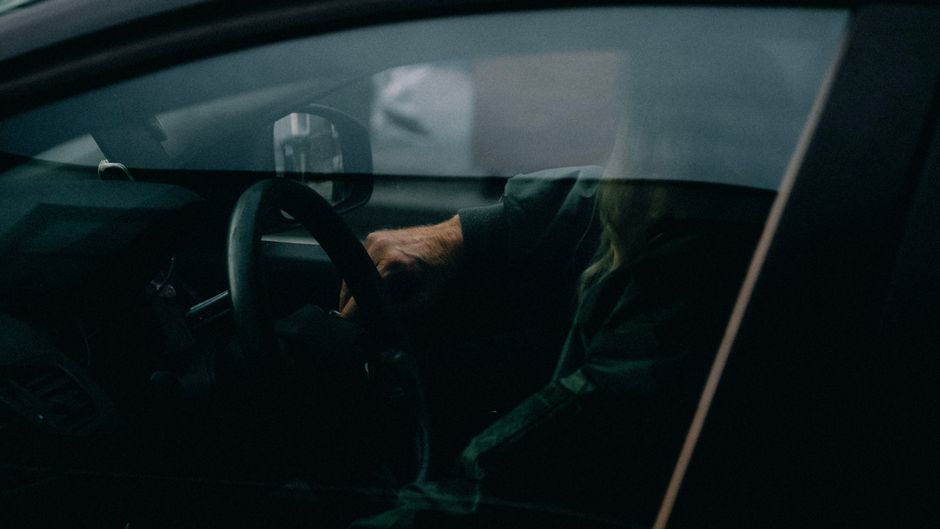
Window tint is a thin film applied to your car's glass. It blocks light from passing through, which means someone standing outside your car can't see in clearly. The tint essentially acts like sunglasses for your vehicle.
This matters more than you might think. When your windows are dark, people can't see your phone, valuables, kids, or whatever else you're carrying. That added security is especially valuable if you park in busy areas or leave your car unattended for extended periods.
Related: Window Tint for Sun Protection: How It Works & Why It Matters
Beyond privacy, tinted windows also reduce glare, keep your interior cooler, and protect your upholstery from UV damage. But if privacy is your main goal, the darkness level of the tint is what really controls how much people can see inside.
Darkness Levels and Privacy Protection
Window tint darkness is measured as a percentage. The percentage tells you how much light passes through the film. A 20% tint lets 20% of light through, so 80% is blocked. A 5% tint blocks 95% of light.
For privacy, darker is better. Here's how different levels work:
- 50% to 35% tint: Lighter option. Offers some privacy but still lets people see inside during the day. Better for front windows if you want to maintain visibility.
- 20% tint: The sweet spot for most people. Offers strong privacy while still allowing you to see out reasonably well, especially from inside the car.
- 5% tint (sometimes called "limo tint"): Almost complete privacy. Very dark. People can barely see inside even at night.
For the best privacy results, consider darker tint on rear windows (where you're less concerned about outward visibility) and lighter tint on front windows (where you need to see the road and side mirrors).
North Carolina Tint Laws You Need to Know
North Carolina has specific window tint laws, and they vary depending on whether you drive a passenger car, SUV, van, or truck. There's no one-size-fits-all tint percentage that's legal everywhere.
The state allows different darkness levels for different window positions and vehicle types. Front windshield tint is typically restricted, while rear windows have more flexibility. But the exact legal limits depend on your specific vehicle classification.
This is why it matters to work with someone who knows the rules. When you choose a professional installation, they make sure your tint is street-legal for your exact vehicle type. A tint that's legal for your truck might not be legal for your sedan, and vice versa.
Tint We Got It handles the legal side for you. During your appointment in Greensboro, the team ensures every install meets current North Carolina regulations for your vehicle, so you drive worry-free.
Greensboro Window Tinting
Contact Tint We Got It →Privacy Tint vs. Other Benefits
Window tint isn't just about privacy. It does a lot at once. According to research on automotive window tinting, UV protection from window film can block harmful rays that fade your interior and damage skin over time.
Heat reduction is another big one. Dark tint keeps your car cooler in summer, which means less AC strain and lower fuel consumption. Privacy, UV protection, heat reduction, and interior preservation all happen with the same film.
If privacy is your priority but you also want these other benefits, a professional-grade tint does it all at once. You're not choosing between privacy and protection. You get both.
Why Professional Installation Matters for Privacy
DIY window tint and aftermarket options from automotive retailers might seem cheaper upfront, but they rarely deliver the privacy results you want. Professional installation ensures:
- Proper application with no bubbles, wrinkles, or gaps where light leaks through
- Film that's cut precisely for your exact windows
- Correct darkness level applied consistently across all windows
- Installation that complies with North Carolina law for your specific vehicle
A bubble in the tint or a wrinkle at the edge compromises privacy. Light finds those gaps. Professional installers use the right tools, materials, and techniques to avoid that.
When you work with professionals in Greensboro with decades of experience, you're paying for precision. That precision is what actually gives you the privacy you want.
Choosing Your Privacy Tint Level
Start by thinking about how you use your car. Do you commute at night? Do you park on busy streets? Are you carrying valuables regularly?
If you're mostly concerned about daytime privacy and you drive at night, a 20% tint is the best all-around choice. It gives you strong privacy during the day without making it too hard to see at night. It's also legal in North Carolina for most vehicle types in rear windows and side windows.
If privacy is your only concern and night driving isn't an issue, darker tints (like 5%) work great on rear windows. Just remember that darker tint reduces outward visibility, so you'll need to rely more on mirrors and cameras.
Front windows usually need to stay lighter (often 50% or higher in North Carolina) so you can see clearly while driving. Rear and side windows give you more flexibility for darker, more private tint.
What to Expect During Installation

Professional window tint installation takes a few hours depending on your vehicle. The process involves carefully cleaning your windows, cutting the tint film to size, applying it to the glass, and smoothing out air bubbles.
Quality matters at every step. If the windows aren't perfectly clean before application, dust gets trapped under the film and ruins the clarity and privacy effect. If the film isn't smoothed properly, bubbles and wrinkles break up the darkness and let light through.
After installation, the tint needs to cure. During this time, you might see some haziness. This is normal and goes away as the film dries completely.
Long-Term Privacy Protection
Professional-grade window tint is durable. It's designed to last for years without fading, peeling, or losing its privacy effectiveness. Lower-quality tint often starts to bubble, fade, or peel within a year or two.
Taking care of your tinted windows is simple. Avoid rolling windows down for a few days after installation (let the adhesive fully cure). After that, just clean them normally with regular glass cleaner. Tinted windows are tougher than bare glass, so be gentle, but they don't require special maintenance.
If you live in Greensboro or the surrounding North Carolina area and you're ready to add privacy tint to your vehicle, call to book an appointment. Tint We Got It has been installing quality window tint for over 40 years. The team will explain your privacy options, make sure your tint is legal for your specific vehicle, and deliver professional results you'll see every day.
People Also Ask
Does window tint really provide privacy, or is it just for looks?
Window tint absolutely provides real privacy. It physically blocks light from passing through the glass, making it difficult for people outside to see inside your vehicle. The darker the tint, the more private your car becomes. This isn't cosmetic. It's a functional security and privacy feature.
Is 20% tint legal in North Carolina?
North Carolina law allows different tint darkness levels depending on your vehicle type and which windows you're tinting. A 20% tint may be legal for rear windows on most vehicles, but front window limits are more restrictive. Always work with a professional installer who knows the current rules for your specific vehicle to ensure your tint is street-legal.
Can I see out of my car with dark window tint?
Yes, but visibility decreases as tint gets darker. From inside your vehicle, you can see out reasonably well with a 20% tint, especially during the day. At night, darker tint can make seeing out more challenging, which is why many people use lighter tint on front windows. Professional installers help you balance privacy with visibility based on how you drive.
How long does window tint last?
Professional-quality window tint typically lasts 5 to 10 years or longer, depending on the climate, how much sun exposure your car gets, and the quality of the film and installation. Lower-quality tint may start peeling or fading within a year or two. Investing in professional installation means your privacy protection lasts much longer.
Greensboro Window Tinting
Contact Tint We Got It →