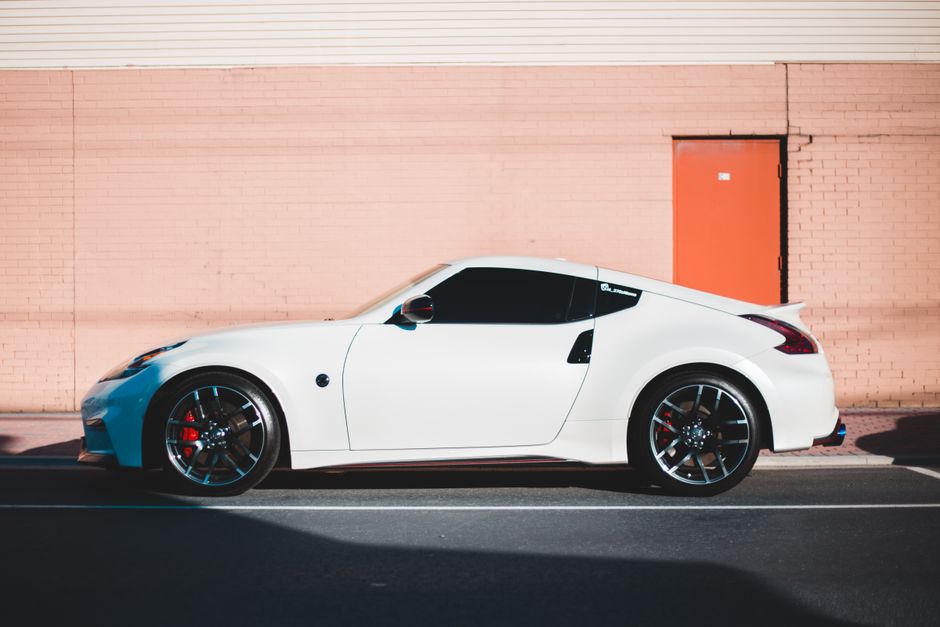
Aftermarket window tint is one of the smartest upgrades you can make to your vehicle. It cools your cabin, protects your interior from UV damage, boosts privacy, and gives your car a sleek look all at once. But there's a lot of noise out there about different film types, and it's easy to get confused about which option actually works best for your situation.
Let me break down exactly what aftermarket window tint is, how the main types compare, and what you need to know before you invest in professional installation.
Related: Window Tint Installation Greensboro NC: A Complete Guide
Related: What Does Window Tint Do? Complete Guide to Benefits
Related: How to Choose Window Tint Film: A Complete Guide
What Is Aftermarket Window Tint?
Aftermarket window tint is a thin film applied to the inside of your vehicle's windows. It's not built into the glass like factory tint. Instead, it's a polyester or ceramic-based material that professionals adhere directly to the window surface using specialized techniques.
Related: Benefits of Ceramic Window Tint for Your Car
The film blocks heat, reduces glare, filters ultraviolet (UV) radiation, and adds privacy to your interior. Unlike DIY tint kits you might find at big-box stores, professional-grade aftermarket tint is engineered to last years without peeling, bubbling, or discoloring.
If you're looking for real heat rejection and durability, Tint We Got It uses only professional-grade materials installed by experienced technicians to ensure your tint stays clear and protective for the long haul.
The Four Main Types of Aftermarket Window Tint
Not all window tint performs the same. Here's what separates them:
Dyed Window Tint
Dyed tint is the most affordable option. A layer of dye sits between the adhesive and a protective top coat. It blocks some heat and provides privacy, but it doesn't reject infrared (heat) radiation as effectively as other types. Over time (typically 3-5 years), dyed tint can fade and take on a purple or brownish cast.
Best for: Budget-conscious drivers who want basic privacy and don't mind replacing tint every few years.
Carbon Window Tint
Carbon tint contains tiny carbon particles suspended in the film. It blocks more heat than dyed tint, reduces glare better, and won't fade to purple. Carbon film is also thicker and more durable, lasting 5-10 years on average.
The downside? Carbon tint can sometimes appear slightly hazy or dark indoors, depending on the film brand and quality. That said, pro-grade carbon film from reputable manufacturers maintains excellent clarity.
Best for: Drivers who want solid heat rejection and durability without the premium price tag of ceramic.
Ceramic Window Tint
Ceramic tint uses non-conductive ceramic particles to block heat. It's a major step up in performance. Ceramic film rejects more infrared radiation than carbon, doesn't interfere with cell signals or GPS, and maintains crystal-clear optical quality. It's also more scratch-resistant and lasts 10+ years.
Best for: Drivers prioritizing heat protection, signal clarity, and long-term durability. The higher upfront cost pays dividends if you keep your vehicle long-term.
Nano-Ceramic Window Tint
The newest technology on the market, nano-ceramic tint uses advanced nano-particles that offer even superior UV and infrared blocking compared to standard ceramic. Under extreme sunlight conditions, nano-ceramic film delivers enhanced color richness and lasting optical clarity that holds up better over the years.
Best for: Drivers in hot climates (like North Carolina summers) who want maximum heat rejection, superior clarity, and the longest lifespan available.
Key Performance Benefits You'll Actually Notice
Here's what you get when you upgrade to professional aftermarket window tint:
- Cooler cabin temperatures. Your air conditioning doesn't have to work as hard, which means better fuel economy and less engine strain.
- UV protection. Professional tint blocks up to 99% of harmful UV rays, which protects your skin, prevents dashboard cracking, and keeps your upholstery from fading.
- Glare reduction. Less sun in your eyes means safer, more comfortable driving.
- Interior privacy. You control how much people can see into your vehicle.
- Shattered glass containment. If your window breaks, tint holds the glass together, reducing injury risk.
Choosing the Right Film for Your Needs
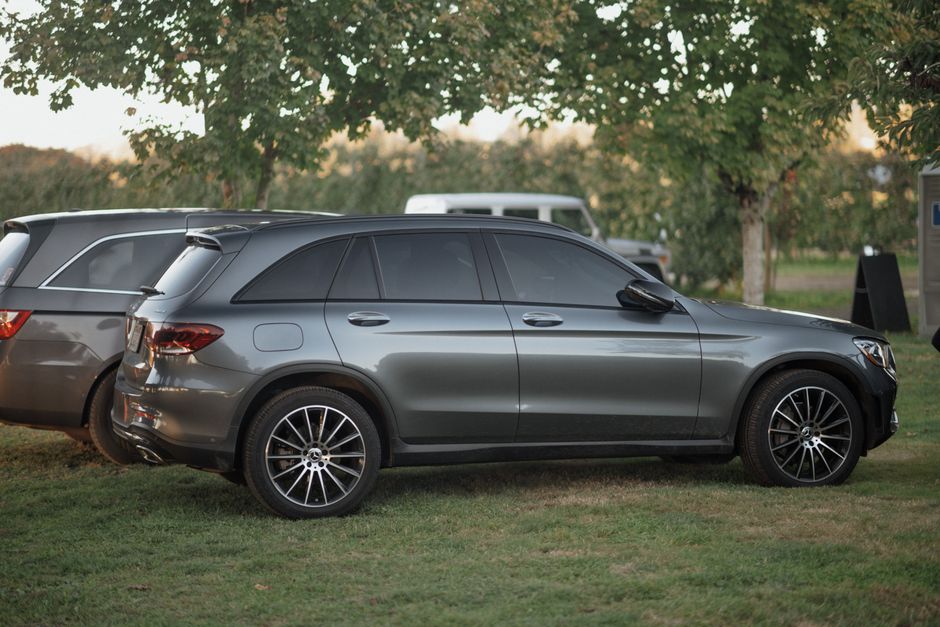
The best aftermarket window tint for your vehicle depends on three things: your budget, your climate, and how long you plan to keep the car.
Greensboro Window Tinting
Contact Tint We Got It →If you're in the Greensboro area and you drive in hot, sunny conditions year-round, ceramic or nano-ceramic tint gives you the performance that matches those conditions. The upfront cost is higher, but you're not replacing tint every few years.
If you want to test the waters or you're on a tighter budget, carbon tint delivers solid results without the ceramic price tag.
Here's the truth: professional installation quality matters more than you might think. A perfect film choice installed poorly will disappoint you. That's why professional installation from experienced technicians is the smart move every time.
Professional Installation vs. DIY
You can buy aftermarket window tint online and attempt to install it yourself. But here's what actually happens: air bubbles get trapped, the edges peel, the film wrinkles, and your windows look like a mess within weeks.
Professional installers have the tools, techniques, and experience to apply film without defects. They know how to work with your vehicle's specific window shape, handle curved glass, and seal edges perfectly. That's the difference between tint that lasts 3 months and tint that lasts a decade.
Plus, professional installers make sure your tint stays street-legal. North Carolina window tint law varies depending on your vehicle type (passenger car vs. truck, SUV, or van), so compliance isn't always obvious. When you get professional work done, you're guaranteed a legal install.
North Carolina Legal Requirements
Before you tint your windows, know that NC has specific legal limits. The rules are different for front windows versus rear windows, and the limits vary depending on whether your vehicle is a passenger car, truck, SUV, or van.
Don't guess on this. When you call to schedule your tint installation, the professionals will explain the legal limits for your specific vehicle and make sure your tint meets all current state regulations.
The last thing you want is a traffic stop or a fine because your tint was too dark. That's another reason why professional installation is non-negotiable.
What to Expect During Installation
A professional window tint installation typically takes 2-4 hours depending on how many windows you're tinting and your vehicle type. Here's the basic process:
- Your technician cleans the interior glass thoroughly to remove all dust and contaminants.
- They measure and cut the film to fit your windows precisely.
- The film is applied using a slip solution and smooth, controlled hand motions to avoid bubbles.
- The edges are sealed and trimmed for a clean finish.
- You're given care instructions to follow during the curing period (usually 3-7 days).
During that curing window, don't roll your windows down or clean the tint. Let the adhesive set fully so the film bonds permanently to the glass.
Long-Term Care and Durability
Professional aftermarket tint lasts a long time if you take care of it. Avoid using abrasive cleaners on your windows. Stick to soft cloths and window-safe cleaning solutions.
Quality ceramic and nano-ceramic films can easily last 10+ years. Even carbon tint typically gives you 5-10 years of reliable performance. Dyed tint, the budget option, usually fades after 3-5 years.
Think of it this way: you're not just buying a product, you're investing in comfort, protection, and resale value. A vehicle with professional-grade tint in good condition is more appealing to future buyers.
Getting Your Aftermarket Tint Installed
If you're ready to upgrade your vehicle with quality window tint, the first step is a conversation with a professional who understands your needs and your vehicle.
In the Greensboro area, you can reach out to Tint We Got It by calling to discuss your options and schedule an appointment. With over 40 years of experience serving the Greensboro and North Carolina region, the team can walk you through film types, explain the legal limits for your specific vehicle, and give you an honest recommendation based on your budget and priorities.
Don't settle for unclear information or DIY results. Get professional guidance and professional installation from someone who's been doing this work for decades.
People Also Ask
How much does professional window tint installation cost?
Cost varies based on how many windows you're tinting, which film type you choose, and your vehicle model. Professional-grade ceramic or nano-ceramic tint costs more upfront than dyed or carbon tint, but lasts much longer. For an exact quote tailored to your vehicle and film choice, call to discuss your specific needs with the team.
Can I apply aftermarket window tint myself?
You can try, but professional results require specialized tools, practice, and skill. DIY tint almost always results in bubbles, wrinkles, and peeling edges within weeks. Professional installation ensures a flawless finish that lasts years.
Will window tint affect my cell signal or GPS?
Dyed and carbon tint can occasionally interfere with signals. Ceramic and nano-ceramic tint are non-conductive and don't interfere with cell phones, GPS, or other electronics. If signal clarity matters to you, ceramic film is the safer choice.
How long does aftermarket window tint last?
Dyed tint typically lasts 3-5 years before fading. Carbon tint lasts 5-10 years. Ceramic and nano-ceramic tint can last 10+ years if properly maintained. Professional installation and regular care extend the lifespan significantly.
Greensboro Window Tinting
Contact Tint We Got It →