
Choosing window tint film comes down to a few core decisions: what type of film you want, how dark it should be, and whether your choice is legal where you drive. Get these right, and you'll have a tinted car that looks great, protects your interior, and keeps you comfortable. Get them wrong, and you might end up with film that peels, doesn't block heat, or breaks the law.
Let's walk through how to actually pick the right tint for your situation.
Understand the Main Types of Window Tint Film
There are several kinds of window tint film out there, and they're not all the same. Each type has different strengths.
Dyed film is the most affordable option. It works by absorbing sunlight into a dye layer. The downside? It fades over time and doesn't block as much heat as other types.
Metallic film uses tiny metal particles to reflect heat away from your car. It's more effective at heat rejection than dyed film, but it can interfere with radio signals and phone reception. That's a real problem for some people.
Carbon film uses carbon particles instead of metal, so it won't mess with your electronics. It blocks heat better than dyed film and lasts longer. This is often a sweet spot between price and performance.
Ceramic film is the premium option. It blocks heat extremely well, lasts the longest, and doesn't interfere with anything. You're paying more upfront, but you're getting the best durability and heat rejection available.
When you're weighing these options, think about what matters most to you: budget, heat protection, durability, or a combination of all three. Tint We Got It can walk you through these differences and help you pick the type that fits your needs and your budget.
Check Your Vehicle's Existing Glass
Before you even start looking at tint options, find out if your car already has privacy glass built in.
Some newer vehicles come with factory-tinted windows on the rear doors and back window. If your car already has this, you don't need to tint those windows again—and adding more tint on top of privacy glass might make them too dark.
How do you check? Look at your windows from the inside. If the rear windows look noticeably darker than the windshield and front doors, your car probably has factory tint. You can also check your vehicle's spec sheet or ask the dealership.
This matters because it affects your final darkness level and the overall look of your car. If you're starting with privacy glass, a lighter tint level might be all you need to achieve the look you want.
Pick Your Tint Darkness Level
Tint darkness is measured as a percentage. A higher percentage (like 50%) means more light passes through. A lower percentage (like 20%) means less light gets through and the window looks darker.
The 20% to 35% range is popular for a reason: it gives you good privacy without making it hard to see out of your windows, especially at night. Below 20% and you're getting into limo-tint territory—very dark, much harder to see through, and potentially illegal depending on where you live.
Your choice here depends on a few things.
Where you drive: Your climate and geography matter. In hot, sunny climates, darker tint helps more with heat rejection. In cloudier regions, you might be fine with something lighter. In Greensboro and the surrounding North Carolina area, summers get humid and hot, so moderate to darker tint can really help with interior comfort and UV protection.
What you need: Do you want maximum privacy, or do you want to see out easily at night? Do you primarily need heat rejection, UV protection, or both? Are you protecting interior leather from fading? Your answer shapes the darkness level you'll want.
Local laws: This is non-negotiable. Different states—and sometimes even different vehicle types within the same state—have different legal limits for window tint. North Carolina has specific rules, and they vary depending on whether you're driving a passenger car, SUV, van, or truck. The limits can change, so it's important to check current regulations before you buy.
Learn the Industry Terminology
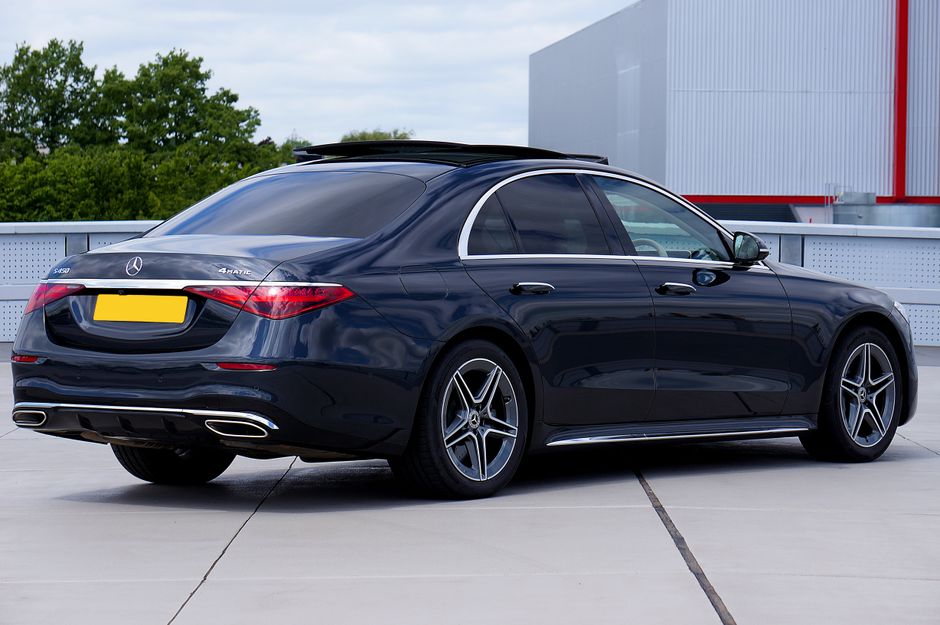
When you're comparing tint films or talking to a professional, you'll hear some specific terms. Understanding them helps you make smarter choices.
VLT (Visible Light Transmission): This is the percentage of visible light that passes through the tinted window. A 30% VLT film is the same thing as 30% tint—30% of light gets through, 70% is blocked.
UV rejection: How much of the sun's ultraviolet rays the film blocks. Look for films that block 99% or more of UV rays. This protects your interior and your skin.
Heat rejection: How much infrared heat the film blocks. Higher is better, especially if you live somewhere hot. Good quality tint films can reject 40% to 60% of solar heat.
Warranty: Most quality tint films come with a warranty against fading, bubbling, or peeling. Understand what's covered and for how long before you commit.
When you call to book a tint appointment, Tint We Got It can explain these specs for the specific films they carry and help you pick what makes sense for your car.
Greensboro Window Tinting
Contact Tint We Got It →Understand Local Window Tint Laws Before You Buy
This is the part a lot of people skip, and it's the part that can get you into real trouble.
North Carolina has window tint laws, and they're not the same for every vehicle. A passenger car has different legal limits than an SUV or truck. The rules also change periodically, so what was legal five years ago might not be today.
The safest move is to check your state's current regulations before you purchase any film. You can look this up online through the North Carolina Department of Motor Vehicles or ask a professional when you're ready to tint.
Here's the key point: any professional tinting shop worth your time—like one serving Greensboro and the surrounding NC area—will make absolutely sure your tint is legal for your specific vehicle before they install it. They know the laws inside and out and won't put you in a position where you're driving around with illegal tint.
Related: Mobile Window Tinting Greensboro NC: Your Complete Guide
Related: What Does Window Tint Do? Complete Guide to Benefits
Related: Window Tint Fade Prevention and Care: Complete Guide
Related: Home Window Tinting in Greensboro NC: A Complete Guide
Related: Window Tint Installation Greensboro NC: A Complete Guide
Related: Automotive Tinting Greensboro NC: Complete Local Guide
Related: Window Tint Greensboro NC: Professional Auto Tinting Guide
One more thing to know: windshield tinting has extra restrictions in most states. Generally, you can only tint the top few inches. Always verify local rules before tinting your windshield.
Consider Your Climate and Lifestyle
Where you live and how you use your car matters more than you might think.
If you park outside most of the time in a hot climate, you'll get more value from a film with strong heat rejection. If you sit in traffic during your commute, you're inside a hot car longer, so superior heat blocking becomes more important to your comfort.
If you drive a lot at night, you might want to avoid super-dark tint (below 20%) because it makes it harder to see out the back window and could affect your safety. If you mostly drive during the day, you have more flexibility.
If you've got leather or a dashboard that fades easily, UV protection is huge. UV rays fade interiors surprisingly fast—it's not just about comfort, it's about protecting your investment in the car itself. Research from Harvard Health shows that UV exposure damages both skin and materials, which is why quality tint matters for interior preservation.
Get Professional Recommendations for Your Area
You can do all the research you want, but there's no substitute for talking to someone who has been installing tint in your specific region for years.
A professional can tell you what darkness level looks best on your type of car, which film types hold up best in your climate, and exactly what the law allows for your vehicle. They know Greensboro and the surrounding North Carolina climate and roads.
When you're ready to move forward, call and book a consultation. A reputable shop will answer your questions and help you understand your options without pushing you toward the most expensive choice.
Ready to get your car tinted? Call Tint We Got It to discuss your options. With over 40 years of experience serving the Greensboro area, we'll make sure you get the right tint for your car and your needs. All appointments are booked by phone.
Key Things to Remember When Choosing Tint
- Match your film type to your priorities: budget (dyed), heat rejection (metallic or ceramic), or balanced performance (carbon).
- Know whether your car already has factory privacy glass—it affects your final darkness level.
- Stick to the 20%-35% range for a good balance of privacy and visibility.
- Always check your local window tint laws before buying. North Carolina rules vary by vehicle type.
- Think about your climate, driving habits, and what you're protecting (interior, privacy, heat rejection).
- Talk to a local professional who knows your area and can advise you based on real-world experience.
Frequently Asked Questions
What's the best window tint darkness for a car?
There's no single "best" because it depends on your needs and local laws. The 20%-35% range is popular because it offers privacy without making it too hard to see out, especially at night. Darker tint (15%-20%) gives more privacy but requires better nighttime visibility. Check your state laws first—North Carolina has specific limits, and they vary by vehicle type.
Should I choose dyed, metallic, carbon, or ceramic tint?
Dyed is cheapest but fades faster. Metallic blocks more heat but can interfere with electronics. Carbon balances performance and cost without interference. Ceramic is the most durable and blocks the most heat but costs more upfront. Pick based on your budget and what matters most to you: cost, heat rejection, durability, or avoiding signal interference.
Is window tint legal in North Carolina?
Yes, but there are rules. Different vehicle types (passenger cars versus SUVs, vans, and trucks) have different legal tint limits. The law also specifies restrictions for the windshield. Always verify current regulations before tinting, and a professional shop will ensure your tint is street-legal for your specific vehicle.
How long does quality window tint last?
It depends on the film type. Dyed film typically lasts 3-5 years. Carbon and metallic films last 5-10 years. Ceramic film, the premium option, can last 10+ years. Quality installation and avoiding extreme conditions (like constant direct sunlight) help extend the life of any tint.
Greensboro Window Tinting
Contact Tint We Got It →