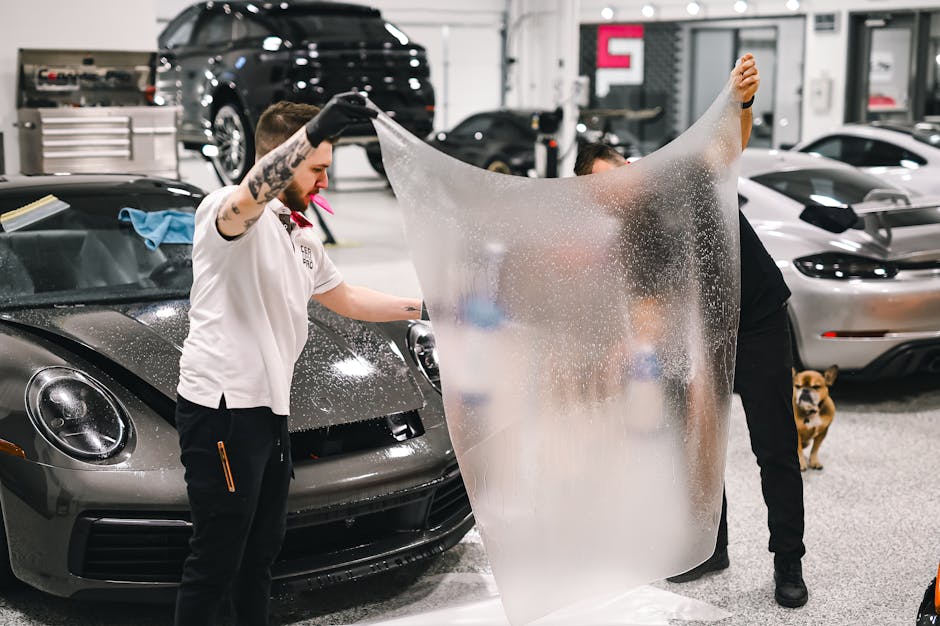
Your car's interior takes a beating from the sun. Heat bleaches your dashboard, UV rays fade your upholstery, and glare makes driving uncomfortable. Car interior protection window tint solves all three problems at once, blocking up to 99% of harmful UV rays while keeping your cabin significantly cooler.
Here's what you need to know about protecting your car's interior from sun damage and how tinting actually works.
Related: Best Window Tint for Heat Rejection: Beat NC Summer Heat
Related: Heat Rejection Window Tint Benefits: Stay Cool & Save Money
Related: How to Care for New Window Tint: A 7-Day Guide
How Window Tint Protects Your Car Interior
Window tint is a thin, transparent film applied to your vehicle's glass. It sits between the glass and the sun, absorbing and rejecting heat and UV radiation before they ever enter your cabin.
The protection happens in three ways. First, the film blocks ultraviolet light, which causes fading and deterioration of leather, plastic, and fabric. Second, it reflects and absorbs solar heat, reducing the temperature inside your car by up to 15-20 degrees depending on the tint type. Third, it reduces glare, which improves visibility and reduces eye strain during long drives.
Over time, this protection adds up. Without tint, your dashboard cracks, your leather peels, and your interior looks dingy. With tint, your car stays protected year-round.
UV Protection and Interior Fading
Ultraviolet rays are invisible, but their damage is obvious. They break down the chemical bonds in materials like upholstery, leather, and plastic trim, causing colors to fade and surfaces to crack.
Quality window tint blocks up to 99% of these harmful UV rays. That's nearly complete protection. The American Academy of Dermatology confirms that UV radiation damages materials and skin alike, which is why tint matters both for your car and for you.
Think about a car you've seen with a sun-bleached dashboard or faded steering wheel. That's UV damage in action. With protective window tint, your interior looks newer for longer.
Heat Rejection and Cabin Temperature Control
On a 90-degree day, your car's interior can reach 140+ degrees in minutes. That heat comes straight through the windows. Your air conditioning has to work overtime to cool things down, burning extra fuel and wearing out your AC system faster.
Ceramic window tint (the premium option) offers superior heat rejection compared to standard films. It uses nano-ceramic technology to reflect infrared radiation away from your vehicle, keeping your cabin cooler without blocking visibility. Some drivers report cabin temperatures 15-20 degrees lower after tinting.
The benefit goes beyond comfort. A cooler cabin means your AC runs less, which improves fuel economy and extends the lifespan of your air conditioning system. That's real money saved over time.
Glare Reduction and Driving Safety
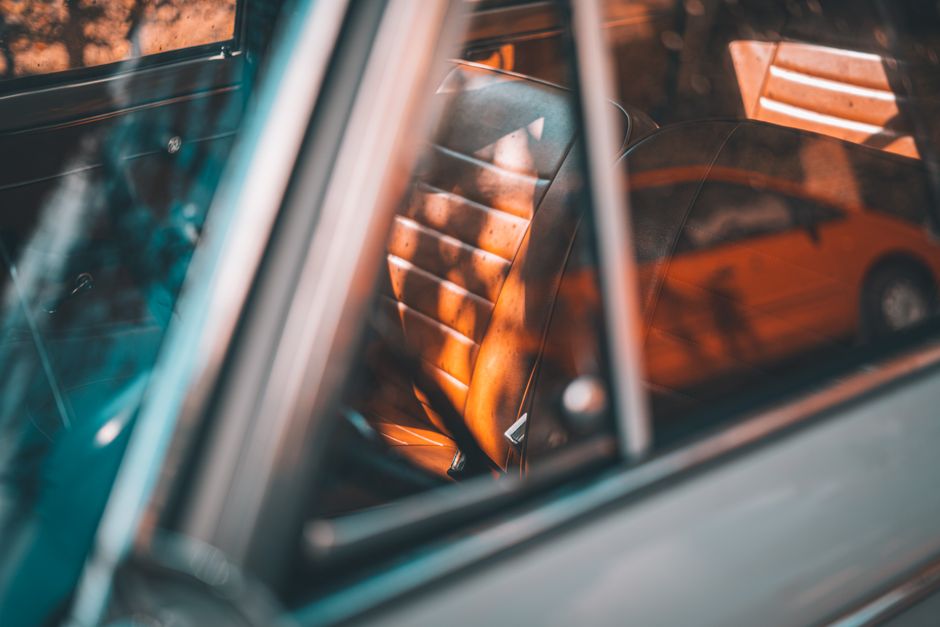
Glare from sunlight bouncing off other cars, pavement, and water reflections is more than annoying. It's a safety hazard. It reduces your ability to see the road clearly and increases eye strain, especially on long drives.
Window tint cuts glare significantly. You'll notice the difference immediately. Colors pop, your visibility improves, and driving feels more comfortable. Reduced eye strain also means fewer headaches and safer driving overall.
Types of Window Tint for Interior Protection
Not all window tint is created equal. The type you choose affects how well your interior is protected.
Dyed tint is the most affordable option. It uses absorptive dyes to block light but offers lower heat rejection and can fade over time. It's better than nothing, but it's not the best choice for serious interior protection.
Metallic tint contains metal particles that reflect heat and UV rays. It provides better protection than dyed tint and lasts longer. The trade-off is that it can interfere with cell phone and GPS signals in some cases.
Ceramic tint is the premium choice. It uses nano-ceramic particles that block heat and UV without metal and without signal interference. Ceramic tint offers the best combination of heat rejection, UV protection, durability, and clarity. It's what you want if interior protection is your priority.
For comprehensive interior defense, ceramic or nano-ceramic window tint is the optimal choice. You get maximum UV blocking, superior heat rejection, and long-term durability.
What Gets Protected by Window Tint
Window tint protects everything inside your car that sun exposure damages.
- Dashboard and steering wheel
- Leather and fabric upholstery
- Plastic trim and door panels
- Center console and gear shift
- Windshield and side window glass (from shattering in impacts)
- Your skin and eyes during driving
The sun damages all of these over time. Tint adds a protective barrier that keeps your interior looking newer and more valuable. This matters if you plan to keep your car long-term or eventually sell it.
North Carolina Window Tint Laws
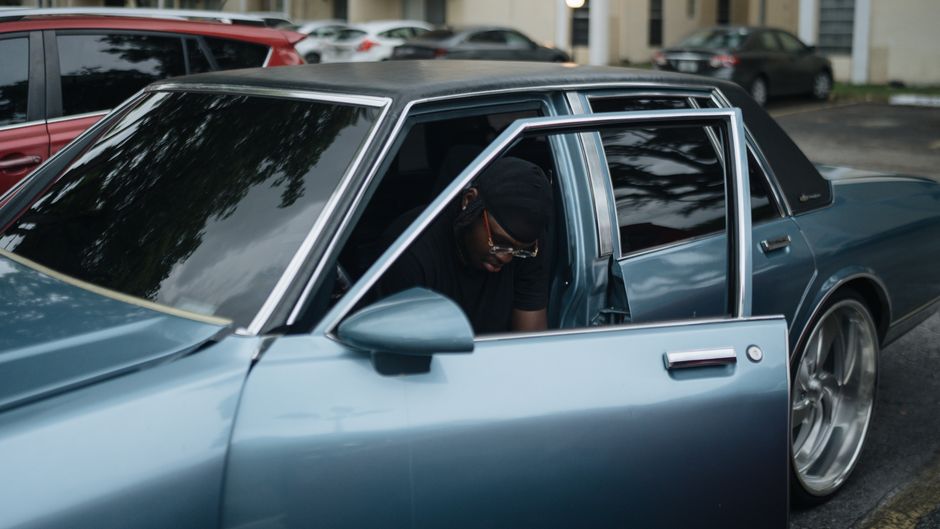
If you live in Greensboro or the surrounding North Carolina area, window tint laws apply to your vehicle. Legal tint limits depend on your vehicle type (passenger car, SUV, van, or truck) and the specific window being tinted.
The good news: professionals know the rules. When you work with an experienced shop like Tint We Got It, they make sure every installation is street-legal for your specific vehicle. You get the protection you want without legal headaches. Just call to discuss what's legal for your car.
Greensboro Window Tinting
Contact Tint We Got It →How Window Tint Installation Works
Professional installation is important. A quality tint job takes precision and skill.
The process starts with cleaning. Your windows are washed thoroughly so the film adheres perfectly. Next, the installer measures and cuts the tint film to match your windows exactly. The film is then carefully applied to the inside of the glass using specialized techniques to avoid bubbles and wrinkles.
The tint cures over a few days. During this time, avoid rolling down windows and washing the tinted glass. Once it's fully cured, you have protection that lasts for years.
This is not a DIY job. Improper installation leaves bubbles, peeling edges, and poor protection. Professional installation guarantees the best results and full coverage of your interior protection needs.
Long-Term Benefits for Your Vehicle
The benefits of car interior protection window tint compound over time.
In year one, your interior stays cooler, your AC works less, and you notice reduced glare. In year two, your dashboard looks newer while other cars' dashboards are cracking. In year three and beyond, your upholstery color remains vibrant while unprotected cars look faded and worn.
If you sell your car later, interior condition affects resale value. A protected interior looks better, ages slower, and is worth more money to a buyer. That's a tangible return on your tinting investment.
For Greensboro and North Carolina vehicle owners who want real interior protection, professional window tinting is one of the smartest investments you can make for your car's long-term condition and comfort.
Getting Started With Interior Protection Tint
Ready to protect your car's interior from sun damage? The first step is getting a quote from a professional shop that understands your vehicle and local tint laws.
Call to schedule an appointment with Tint We Got It. The team at this Greensboro-based shop has over 40 years of experience protecting vehicle interiors with quality window tint. They'll walk you through your options, explain what's legal for your car, and get you scheduled for professional installation.
Common Questions About Interior Protection Window Tint
How long does window tint last on a car?
Quality ceramic window tint lasts 5-10 years or longer, depending on sun exposure and maintenance. Dyed tint fades faster, typically lasting 3-5 years. Professional installation ensures your tint reaches its full lifespan.
Does window tint really keep your car cooler?
Yes. Ceramic window tint can reduce interior temperature by 15-20 degrees on hot days by reflecting infrared radiation away from your vehicle. Your air conditioning works less, which also improves fuel economy.
Can you see out of tinted windows at night?
Absolutely. Tint reduces daytime glare and UV rays, but visibility at night is clear. The film is transparent; it just filters harmful light. You'll see out perfectly in any lighting condition.
Is window tint legal in North Carolina?
Greensboro Window Tinting
Contact Tint We Got It →