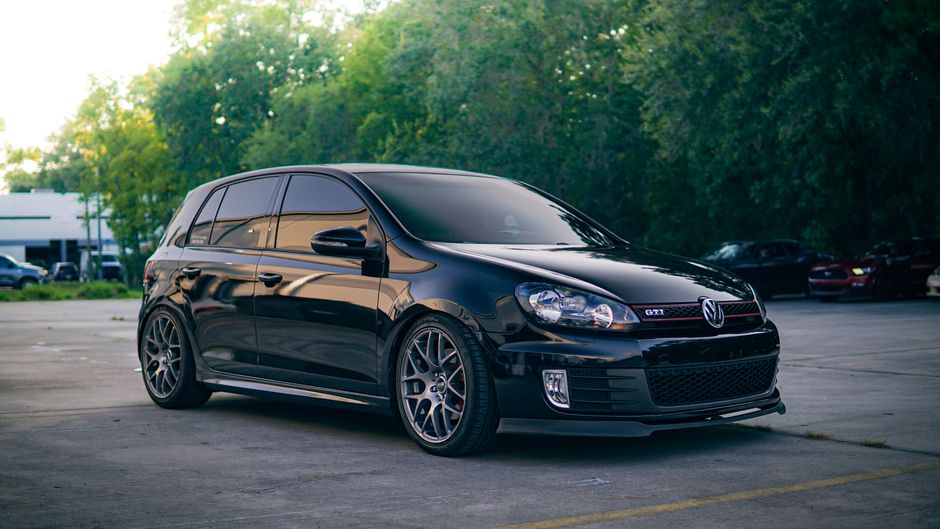
Heat rejection window tint benefits are one of the biggest reasons vehicle owners in Greensboro and the surrounding North Carolina area choose professional tinting. The simple truth: heat rejection window tint blocks infrared radiation from the sun, keeping your car significantly cooler without sacrificing visibility or style.
Here's what you need to know about how this actually works and why it matters for your daily drive.
Related: How to Choose Window Tint Film: A Complete Guide
Related: What Does Window Tint Do? Complete Guide to Benefits
Related: Window Tint Fade Prevention and Care: Complete Guide
Related: Window Tint Installation Greensboro NC: A Complete Guide
Related: Window Tint for Sun Protection: How It Works & Why It Matters
Related: Best Ceramic Window Tint in Greensboro NC 2026: Top Shops Ranked
What Heat Rejection Window Tint Actually Does
Heat rejection tint is engineered to stop infrared rays (the heat energy from the sun) before they enter your car. Unlike regular tint that just darkens windows, modern heat rejection film contains special materials that reflect and absorb infrared energy.
The result: your interior stays cooler, even on scorching summer days. Your steering wheel isn't hot enough to burn your hands. Your leather seats don't feel like a sauna. And your air conditioning system doesn't have to run full blast the entire time you're driving.
This is why Tint We Got It recommends heat rejection film to customers who spend time in their vehicles during peak sun hours.
The Real Benefits You'll Notice
1. Lower Interior Temperature
The most obvious benefit is the temperature drop. A car with quality heat rejection tint can be 10-15 degrees cooler than an untinted vehicle sitting in the same sun. You feel this the moment you open the door.
2. Reduced Air Conditioning Load
Your AC won't work overtime to cool down an already-hot cabin. This means your engine runs more efficiently, your transmission doesn't strain as much, and your fuel economy improves. On long drives in summer, this adds up.
3. Interior Protection and Longevity
Related: Car Interior Protection Window Tint: UV & Heat Defense
UV rays damage everything inside your car: dashboard plastic fades and cracks, leather seats deteriorate, vinyl trim loses color, and steering wheels become sticky or brittle. Heat rejection tint blocks up to 99% of UV radiation, keeping your interior looking newer for longer.
4. Improved Comfort While Driving
You're less likely to get a sunburn through the windows, your eyes don't feel strained from squinting, and you can actually enjoy your commute instead of sweating through your shirt. That matters when you're spending hours on NC highways.
5. Better Visibility During Bright Conditions
Glare reduction is a major one. When the sun reflects off the road, water, or other cars, it creates intense glare that's hard on your eyes and potentially unsafe. Heat rejection tint significantly reduces this without darkening your view the way older tint products do.
6. Privacy Without Sacrificing Light
You get the privacy and security benefit of tinted windows without making your car feel like a cave. People can't see into your vehicle from outside, but you maintain clear visibility from the inside.
Related: Window Tint for Vehicle Aesthetics: Transform Your Car's Look
How Heat Rejection Tint Protects Your Vehicle Long-Term
The UV protection aspect is worth breaking down separately because it affects resale value and safety.
When UV rays penetrate your windows unchecked, they break down the molecular bonds in plastic, rubber, and leather. This causes fading, brittleness, and cracking. Dashboard cracks aren't just cosmetic (though they hurt your resale value). They can also create safety hazards if they affect your instrument cluster or defroster vents.
Heat rejection window tint acts as a barrier. By blocking those UV rays at the window, your dashboard, seats, steering wheel, and door panels stay protected. This is especially important in North Carolina, where summer heat is intense and UV exposure is year-round.
Related: Best Window Tint for Heat Rejection: Beat NC Summer Heat
A properly tinted vehicle maintains its interior condition much better over time. If you ever sell your car, buyers notice an interior that looks clean and well-preserved, and that translates to higher resale value.
Cost Savings Over Time

The fuel savings from reduced air conditioning use may seem small on any given drive, but they compound. Studies show that running your AC at full capacity increases fuel consumption by 10-25%, depending on your driving conditions and vehicle type.
If you're commuting daily during hot months, switching on a cooler car that needs less AC cooling is measurable savings. Beyond gas, you're also reducing wear and tear on your cooling system, which means fewer costly repairs down the road.
The protection to your interior's condition also delays expensive replacements (new dashboard, reupholstered seats, steering wheel restoration) that become necessary if UV damage is left unchecked.
Heat Rejection Tint vs. Other Window Options
You might wonder how heat rejection tint compares to cracking your windows, using reflective sunshades, or running your AC full blast.
Cracking windows helps, but it introduces wind noise and won't stop the heat from building up inside. Sunshades work temporarily but have to be installed and removed every time you leave the car, and they don't protect your interior permanently.
Reflective sunshades in your windshield also obstruct your view and are illegal in many states while driving.
Running AC full blast keeps you cool but burns fuel and strains your engine. It's also not practical on long drives where you want to minimize fuel stops.
Professional heat rejection window tint is the only solution that works 24/7, requires zero maintenance, improves your visibility, and protects your entire interior permanently. Once it's installed, you get all the benefits without any downside.
Related: Aftermarket Window Tint for Vehicles: Types & Benefits
What to Know Before Getting Heat Rejection Tint Installed
First, understand North Carolina's window tint laws. Legal tint limits vary depending on whether you're driving a passenger car, SUV, van, or truck. The limits apply to how much light can be blocked at different windows. Tint We Got It ensures every installation is compliant with current North Carolina law for your specific vehicle type, so you stay legal and avoid fines.
Greensboro Window Tinting
Contact Tint We Got It →Second, quality matters. Professional installation from experienced technicians prevents bubbles, peeling, and uneven tint that degrades over time. DIY or low-quality tint jobs fail within months and look terrible.
Third, darker tint isn't always better for heat rejection. Some of the most effective heat rejection films are relatively light in darkness level because they use advanced infrared-blocking technology, not just dark color. This means you can get excellent heat rejection while keeping good visibility.
If you're in the Greensboro area and want to discuss which heat rejection option makes sense for your vehicle and driving habits, professional installers can walk you through your choices based on your specific needs.
When Heat Rejection Tint Makes the Most Sense

Heat rejection tint is worth the investment if any of these apply to you:
- You park outside regularly (at work, shopping, home) during daylight hours
- You spend significant time driving during hot months
- Your vehicle has a dark-colored interior that absorbs more heat
- You have leather or sensitive trim you want to preserve
- You want to reduce AC usage and improve fuel economy
- You're concerned about UV damage to your dashboard or seats
- You prefer privacy or want to reduce glare while driving
Basically, if you live in the Greensboro area and your car sits in the sun for any length of time, heat rejection tint is a practical upgrade.
The Bottom Line on Heat Rejection Benefits
Heat rejection window tint is one of the smartest investments you can make in your vehicle's comfort and longevity. It keeps your car cooler, reduces AC strain, protects your interior from UV damage, improves visibility by cutting glare, and saves you money on fuel and future repairs.
Unlike cosmetic upgrades, heat rejection tint delivers real, measurable benefits every single day you own your vehicle. If you're ready to experience these benefits firsthand, the next step is talking to professionals who understand your local climate and can recommend the right film for your specific vehicle and needs.
Frequently Asked Questions
Does heat rejection window tint actually work?
Yes, it absolutely works. Quality heat rejection film blocks infrared radiation, which is the heat energy from sunlight. Testing shows professionally installed heat rejection tint can reduce interior temperatures by 10-15 degrees compared to untinted vehicles. You'll notice the difference the moment you get in your car on a hot day.
Will heat rejection tint make my car too dark?
Not necessarily. Modern heat rejection films use infrared-blocking technology, so they don't need to be extremely dark to be effective. You can get excellent heat rejection with a relatively light tint level that maintains good visibility. The specific darkness level depends on your vehicle type and North Carolina's legal limits for your car, SUV, truck, or van.
How long does heat rejection window tint last?
Professional-grade heat rejection tint typically lasts 5-10 years or longer, depending on the film quality, installation quality, and environmental exposure. It gradually fades over time but doesn't suddenly fail. Inferior DIY or low-quality tint often fails within 1-2 years and develops bubbles or peeling.
Can heat rejection tint affect my car's electronics or navigation?
High-quality heat rejection film won't interfere with cell phone signals, GPS, or any electronic systems in your vehicle. Window tint doesn't block radio waves or data signals. Some extremely reflective films might theoretically cause minor signal degradation, but modern automotive heat rejection tint is designed to avoid this issue entirely.
Greensboro Window Tinting
Contact Tint We Got It →