
You're sitting in your car on a Greensboro summer afternoon, and the interior feels like an oven. Your steering wheel is too hot to touch, and your air conditioning is working overtime. The real problem isn't just comfort—it's that excessive heat damages your dashboard, fades your upholstery, and wastes fuel by forcing your AC to run harder than it should. The good news? The right window tint for heat rejection can solve all of this in one professional installation.
When you're shopping for the best window tint for heat rejection, ceramic window tint is the clear winner. It's the most advanced technology available for blocking solar heat while maintaining clarity and visibility. Ceramic films can reject up to 60% of solar energy before it enters your vehicle, which means a significantly cooler cabin and real savings on your cooling costs.
Ceramic Window Tint: The Gold Standard for Heat Rejection
Ceramic tint is built differently than older carbon or dyed films. Instead of relying on absorbing heat (which causes the film to degrade over time), ceramic tint uses non-conductive ceramic particles to reflect infrared radiation back out through the glass. This means the tint stays cooler, lasts longer, and doesn't interfere with your phone signal or GPS—something you can't say about older metallic films.
The heat rejection performance speaks for itself. Ceramic window tint blocks up to 99% of harmful UV rays, which protects not just your skin but also your vehicle's interior. Over time, UV exposure fades leather seats, cracks dashboards, and warps door panels. Ceramic tint eliminates that damage before it starts.
Related: Car Interior Protection Window Tint: UV & Heat Defense
Related: Window Tint Percentages Explained: Pick the Right VLT for Your NC Car
Related: Ceramic vs Carbon Window Tint 2026: Which Is Best?
Related: How Much Does Car Window Tint Cost in 2026?
In Greensboro and the surrounding North Carolina area, summer temperatures regularly climb into the 90s. A properly installed ceramic tint can lower your interior temperature by 15-20 degrees on a hot day. That's the difference between a car you can sit in comfortably and one that feels like a sauna.
What VLT Range Works Best for Heat Rejection?
VLT (Visible Light Transmission) measures how much light passes through the tint. Lower VLT percentages mean darker tint and better heat rejection. For optimal heat rejection, ceramic tint in the 20-35% VLT range delivers the best combination of cooling performance and interior visibility.
Here's the practical balance: a 35% VLT ceramic tint gives you excellent heat rejection while keeping your visibility clear enough for safe driving. A 20% VLT ceramic tint rejects even more heat but creates a darker cabin. Many Greensboro drivers choose somewhere in the middle based on their preference and how much sun exposure their vehicle gets.
North Carolina window tint law allows different VLT limits depending on your vehicle type, so it's important to work with professionals who understand the legal requirements for your specific car, truck, or SUV. When you call Tint We Got It, our team will help you choose the VLT that maximizes heat rejection while keeping your installation street-legal.
Greensboro Window Tinting
Contact Tint We Got It →Top Ceramic Films for Heat Rejection Performance
The best automotive window tint brands for heat rejection are the ones that invest in advanced ceramic technology. Industry leaders like 3M, Llumar, and XPEL consistently deliver superior infrared rejection and long-term durability. These manufacturers have spent decades perfecting their formulas, and the difference in performance is noticeable within weeks of installation.
When you're evaluating options, look for films that are specifically rated for infrared heat rejection. Brands that lead in this category offer:
- High-performance ceramic particles that reflect, not absorb, heat
- 99% UV blocking across the entire spectrum
- Excellent optical clarity (no rainbow or purple tint)
- Non-metallic construction that won't interfere with electronics
- Warranties that back up their claims
The specific film you choose depends on your budget, vehicle, and heat rejection priorities. Some films prioritize maximum clarity with excellent heat rejection; others focus on maximum heat rejection with good visibility. Tint We Got It's experienced team has worked with every major film brand and can guide you toward the option that fits your needs and your vehicle.
Why Professional Installation Matters for Heat Rejection
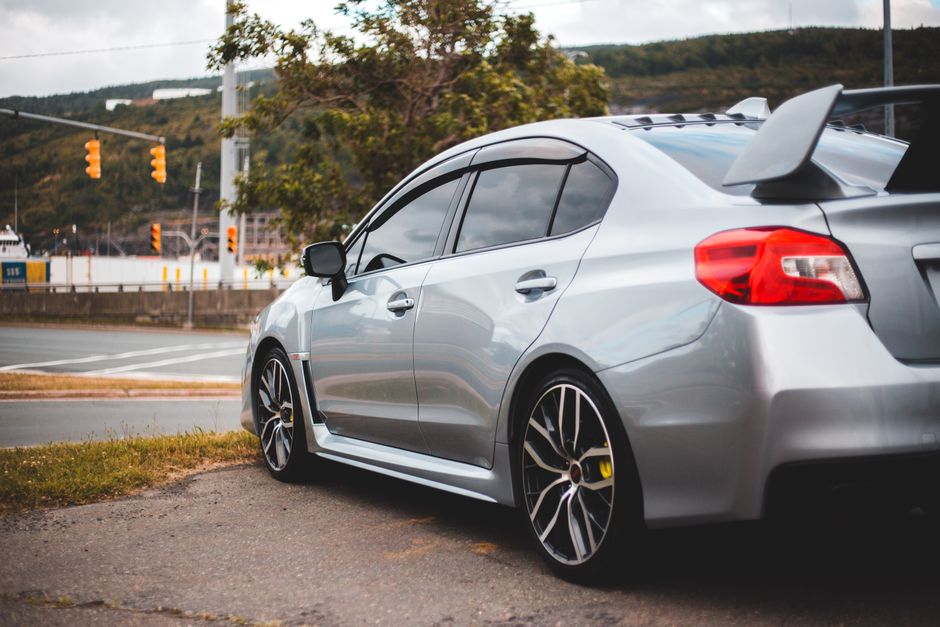
Here's something most people don't realize: the quality of your heat rejection depends just as much on the installation as it does on the film itself. A poorly applied tint creates air bubbles, creases, and separation from the glass, all of which reduce performance and cause the film to fail prematurely.
Professional installation ensures that your ceramic tint adheres perfectly to the glass, creating an airtight seal that maximizes heat rejection and UV blocking. The installer uses proper technique to avoid bubbles, edge lifting, and peeling—all common problems with DIY tinting or inexperienced shops.
Over 40 years, Tint We Got It has perfected the installation process for every vehicle type in the Greensboro area. Our technicians know how to handle curved windows, privacy glass, and vehicle-specific challenges. When you invest in premium ceramic tint, professional installation protects that investment and ensures you get the full heat rejection benefit the film is designed to deliver.
Related: Window Tint Installation Greensboro NC: A Complete Guide
Related: What Does Window Tint Do? Complete Guide to Benefits
Related: Best Auto Window Tint in Greensboro, NC | Professional Service
Related: How Long Does Window Tint Installation Take?
Real-World Benefits: What Heat Rejection Actually Changes
Beyond comfort, ceramic window tint delivers measurable benefits you'll notice every time you drive:
Related: Aftermarket Window Tint for Vehicles: Types & Benefits
Related: Heat Rejection Window Tint Benefits: Stay Cool & Save Money
Related: Benefits of Ceramic Window Tint for Your Car
- Lower AC costs: Your air conditioning won't have to work as hard, reducing fuel consumption and extending the life of your HVAC system.
- Interior preservation: Leather, vinyl, and plastic stay newer longer when they're protected from intense UV and heat damage.
- Safer cabin temperature: If you leave your vehicle parked in the sun, the cabin stays significantly cooler, which is critical if you ever have children or pets in the car.
- Reduced glare: Ceramic tint cuts down on sun glare, which reduces eye strain and makes driving in bright conditions more comfortable.
- Enhanced privacy: Darker tint provides privacy for your belongings and passengers without sacrificing the heat rejection you're paying for.
According to research on automotive heat rejection, ceramic window films are the most effective option currently available for controlling interior temperature. Studies show that controlling solar heat exposure protects both vehicle components and driver health, making window tinting one of the smartest upgrades you can make.
Getting Started: Your Next Step for Heat Rejection
If you're ready to stop battling North Carolina heat every time you get in your car, the next step is a simple phone call. Tint We Got It serves Greensboro and the surrounding North Carolina area with professional ceramic window tinting for cars, trucks, and commercial vehicles. Our technicians will assess your vehicle, discuss your heat rejection goals, and recommend the ceramic tint that works best for your situation.
Related: Window Tint for Sun Protection: How It Works & Why It Matters
Related: Window Tint Greensboro NC: Professional Auto Tinting Guide
Related: How to Choose Window Tint Film: A Complete Guide
Every installation is customized to your vehicle and your needs. We'll make sure your tint is legal for North Carolina roads and installed to professional standards that guarantee performance. Call Tint We Got It to book your appointment. You can reach us during business hours, and our team will answer any questions you have about ceramic window tint, heat rejection performance, and pricing for your specific vehicle.
Does ceramic window tint really reject more heat than other films?
Yes. Ceramic tint uses non-conductive ceramic particles to reflect infrared radiation, which is more effective at heat rejection than carbon or dyed films. Ceramic films can reject up to 60% of solar energy, making them the top choice for maximum heat reduction. Other film types absorb heat instead of reflecting it, which causes them to degrade faster and perform worse over time.
Will ceramic window tint affect my phone signal or GPS?
No. Ceramic tint is non-metallic, so it won't interfere with cell signals, GPS, or other wireless communication. This is one of the key advantages ceramic has over older metallic films, which can cause signal problems. You'll have full connectivity and heat rejection without trade-offs.
What's the difference between 20% VLT and 35% VLT ceramic tint?
The main difference is darkness and visibility. A 35% VLT ceramic tint allows more light through, so your cabin is brighter and visibility is clearer, but you still get excellent heat rejection. A 20% VLT ceramic tint is darker, provides slightly better heat rejection, but reduces interior brightness. Both ranges are considered optimal for heat rejection. Your choice depends on your preference and driving conditions. North Carolina law sets different limits for different vehicle types, so it's important to verify what's legal for your car, truck, or SUV before installation. When you call Tint We Got It, we'll help you choose the right VLT for your vehicle and North Carolina regulations.
How long does ceramic window tint last?
High-quality ceramic window tint typically lasts 10+ years when professionally installed and properly maintained. Ceramic is more durable than carbon or dyed films because it reflects heat instead of absorbing it, which prevents degradation. The exact lifespan depends on sun exposure, climate, and how well the tint is cared for. Most manufacturers back their ceramic films with multi-year warranties. At Tint We Got It, we use premium films from trusted brands and ensure every installation is done to last.
Greensboro Window Tinting
Contact Tint We Got It →